



Hugo and Nebula Awards… An Opinion

Do the Hugo and Nebula Awards really represent the best science fiction and fantasy books? Or do they reflect the tastes of a particular publishing circle? Why hasn’t indie sensation Dungeon Crawler Carl been nominated for a Hugo or Nebula?

In this video, sci-fi author Abby Goldsmith shares her firsthand experiences attending WorldCon and World Fantasy Convention, networking with agents and editors, and observing how the Hugo and Nebula Awards are voted on. Whether you’re a reader, writer, aspiring author, or curious about the publishing industry, this discussion offers an insider’s perspective on the most prestigious awards in sci-fi and fantasy publishing.


  • 00:00 Why I Started Attending WorldCon & Industry Conventions
  • 01:03 The Traditional Publishing Networking Game
  • 02:01 Who Actually Votes for the Hugo & Nebula Awards? 02:28 What Types of Books Win These Awards?
  • 03:02 Literary Prose vs. Commercial Storytelling
  • 04:14 Award-Winning Characters Feel Distant To Me
  • 05:03 Do Hugo & Nebula Winners Appeal to Most Readers?
  • 06:09 The Challenge for Indie Authors
  • 07:13 What New Writers Often Misunderstand About These Awards
  • 07:50 My Last WorldCon Experience 08:47 Dinner with Hugh Howey: A Different Publishing Culture
  • 10:01 Final Thoughts on Indie vs. Traditional Publishing & the Awards System


What do you think? Do Hugo and Nebula winners reflect the best books being published today, or just a particular segment of the industry? Let me know in the comments.
Gardeners and Architects: Planning Your Novel (or Novel Series)

Why most writers are actually plantsers…


Are you a plotter or a pantser?

Most writers pick a side. But I think the real answer is messier and more nuanced. In this video, I break down the gardening vs. architecting spectrum from a fantasy and sci-fi writer’s perspective.

Whether you’re writing flash fiction or a 10-book epic series, your approach to outlining needs to match your story’s scope, your voice, and how your creative brain actually works.

I share the hybrid system I used across two series of epic fiction, including the four-act structure I mapped out for each volume of the Torth series.

Here’s why a meticulous outline can fall apart mid-draft when a new character shows up, and why my series skeleton is a work in progress even 390,000 words in.

Timestamps:

  • 0:00 Gardening vs. Architecting (the real plotter/pantser debate)
  • 0:26 Why story scope and format change everything
  • 0:58 What discovery writing actually looks like
  • 1:57 The case for writing to a formula (and why I don’t)
  • 2:51 My four-act structure and the Torth series
  • 3:47 The house of cards problem, 390,000 words in
  • 5:28 My hybrid approach: the Hanging Gardens of Babylon method


Crafting an epic novel (or series of them) is like building a house of cards. The foundational layers are crucial and difficult to change. The upper layers are malleable and in flux.

Passion For Your Project

My new video is about passion for your novel/series over the long haul, when the typical “just write!” advice doesn’t cut it.

Here are my secrets to staying motivated on long projects (2–20 years)!

⏱ Chapters:
00:00 What does an “excited author” look like?
00:16 Why passion matters for long-term creative projects
00:38 The two extremes: “navel gazing” vs. mercenary writing
01:28 The balance between loving your work and thinking about audience
01:50 The joy of writing novels (worldbuilding + characters)
02:29 Storytelling as taking your reader on a ride
03:06 Mastery: controlling emotion, pacing, and reader experience
04:21 Where passion really comes from (themes, exploration, obsession)

Completing a big project is not just a matter of slavish discipline. At the core of it all, you need passion for the project.

Daydreaming Is A Writer’s Superpower


Do you daydream so much it feels like a problem? What if it’s actually your greatest writing superpower?

0:00 Introduction: Vivid Imagination as a Creative Superpower
0:16 What Is Maladaptive Daydreaming?
0:41 How Daydreaming Fuels Epic Storytelling & World Building
1:24 The Daily Walk Method: Visualizing Scenes Before You Write
1:54 Crafting Emotional Waves in Your Story
2:18 Building Characters You’re Obsessed With
3:07 Using Music Playlists as Creative Cues
3:33 Keyword Triggers & Getting Into the Zone
4:12 You Don’t Have to Walk, Other Routine Activities That Work
4:27 When Daydreaming Bleeds Into Lucid Dreams
5:18 Keeping a Healthy Boundary Between Fiction and Reality
5:47 Let Excitement & Characters Lead
6:08 Pantser vs. Plotter: Why Daydreaming Is Both

Are you a creative with a vivid imagination, or maybe even a daydreamer who can’t seem to turn it off? In this video, author and artist Abby shares how she transformed her lifelong habit of intense daydreaming into a powerful writing tool. From daily walk-and-daydream sessions to mood-cueing playlists and lucid dreaming, she breaks down her exact process for visualizing scenes, building emotionally resonant story arcs, and crafting characters you can’t stop thinking about. Whether you’re a pantser, a plotter, or something in between, this video will help you unlock the storytelling superpower hiding inside your own imagination.

FIRESTARTER Book Review: Childhood Wonder vs Adult Analysis

Rereading FIRESTARTER. Does Stephen King’s Classic Hold Up?

00:00 Some casual sexism, a bit dated due to it being published in 1980
01:10 When the ordinary is horrific
01:34 When supernatural superpowers was weird and inconceivable
02:32 SPOILERS from here on out!
02:43 Setting audience expectations astronomically high, and ratcheting up the tension
03:06 Stephen King’s self-insert, and who the story is really about
04:06 Overcoming addiction as a mental trick
05:33 Acting like a stoned idiot as an act of heroism
06:08 Government agency versus a normal father and daughter
07:00 Overreliance on a computer instead of using common sense
07:41 It’s one of my favorites by Stephen King

Here’s a literary analysis of the novel “Firestarter,” reflecting on its themes, its era, its audience, and its impact.

Why people hate the final season of STRANGER THINGS

Here’s my take on Stranger Things, spoiler-free… from an author who vaguely remembers the 1980s!

This video examines the divided reception of the show, acknowledging criticism for characters Eleven and Will Byers while praising interpersonal dynamics and side characters with strong personalities.

The Author Gap: What Happened to the Next Harry Potter?

Ever wonder why we’re not seeing new ‘mega-name’ authors like Stephen King or J.K. Rowling? This video explores the current state of the book publishing industry and mass media, covering contenders such as Brandon Sanderson and Sarah J. Maas, while also questioning the absence of global superstar authors in contemporary literature and books. It’s a critical discussion for anyone invested in writing and reading.

PLURIBUS explained: Author Vs Hive Mind

Vince Gilligan has a new sci-fi show on Apple+ TV, PLURIBUS. It gets to the heart of originality, creativity, and individuality … versus populism. Here is why the hive mind is so relevant and frightening.

00:00 Abby studies hive minds and the relevant social aspects of the individual versus the collective
01:28 How the friendly hive mind is like an LLM, aka A.I., and how sinister false flattery can be
02:24 Abby’s impression of the Pluribus hive mind and Carol’s suspicions
03:08 SPOILER ALERT for Pluribus episode 1, and why it’s plausible
05:10 Why this show touches a cultural nerve
06:10 The choice to make Carol a best-selling author and misanthrope and how that affects the story
08:27 How Pluribus measures up to other shows and Vince Gilligan’s other works

Why is Breaking Bad So Good?

Tribute to Robert Jordan

Robert Jordan’s Wheel of Time book series had a huge influence on my story crafting techniques and the importance of research and world-building. Here I reflect on my personal memories of rereads, and also of meeting the influential fantasy author in person.

Here’s my old Wheel of Time fan site.

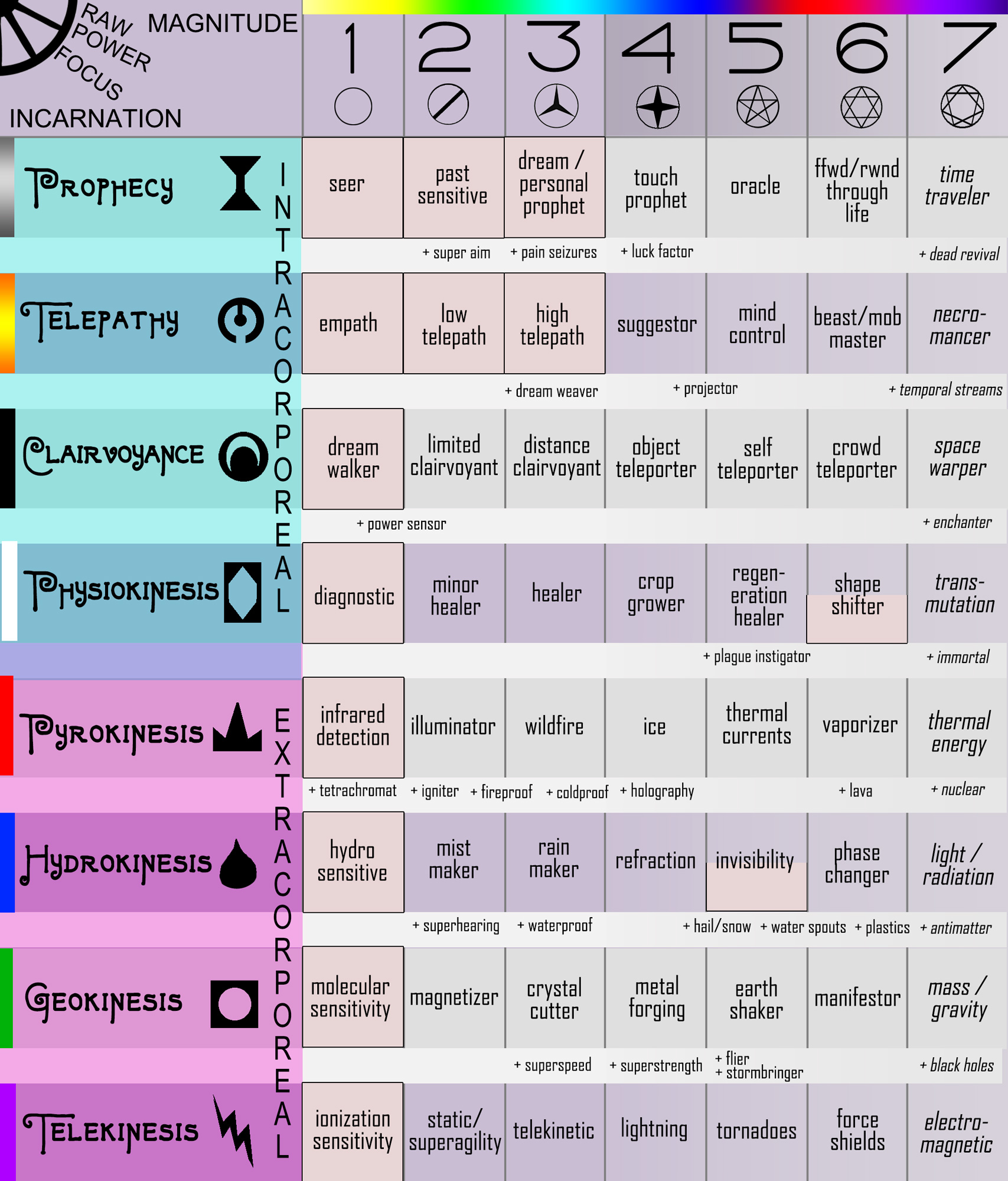
Here’s my POWER CHART for the Torth series

The Torth universe has a hard magic system, similar to superpowers. Here I walk through the power chart I created as the basis for the system in my 6 book sci-fi fantasy series.

Older posts
© 2026 Abby Goldsmith DBA Fiery Press